
Birth Videography: The Art of Documentary Birth Films
Looking Beyond Beautiful Footage and Toward Meaningful Storytelling
If you're exploring birth filmmaking for the first time, our guide to How to Become a Birth Videographer provides a practical starting point before diving deeper into the philosophy of documentary storytelling. This article explores a different question: what becomes possible when we begin to think about birth films as stories rather than simply videos?
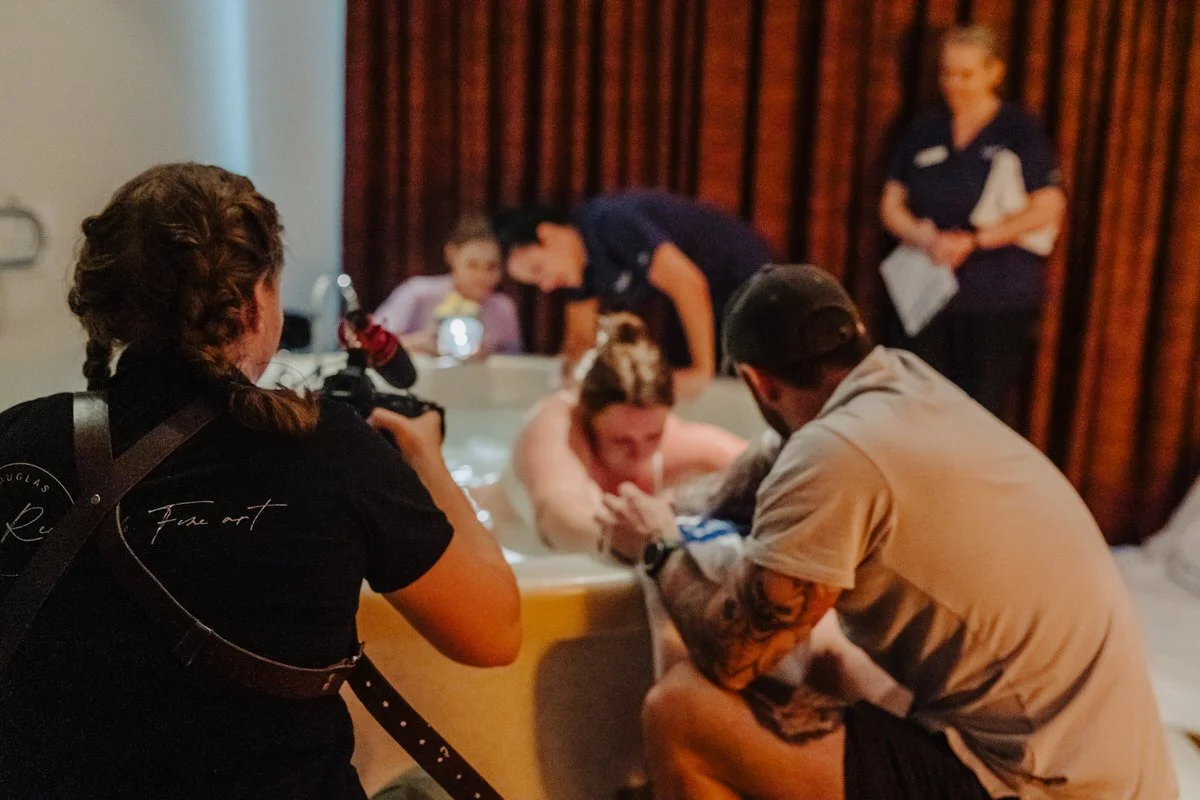
Dania Lauren documenting a birth story as it unfolds. Documentary storytelling begins long before the edit, in the observations, conversations, and moments that reveal what matters most to a family.
One of the ideas that has guided Soulful Storytellers from the beginning is a desire to provoke a reimagining of birth keepsake filmmaking.
Not because we believe there is only one way to tell a birth story.
Quite the opposite.
We believe the possibilities are far broader than many people realise.
As an emerging niche, birth videography has often been defined by cinematic visuals, carefully selected music, and emotional editing. These films can be deeply meaningful and families continue to cherish them for good reason. At the same time, we became increasingly interested in what else might be possible when documentary storytelling principles were introduced into the birth space.
Could a birth film preserve atmosphere as well as imagery?
Could it capture conversations as well as milestones?
Could it help a family reconnect not only with what happened, but with what it was like to live through it?
Those questions continue to shape the way we think about storytelling today.
Exploring Documentary Birth Films:
What Is a Documentary Birth Film?
There are many ways to create a birth film.
Some focus primarily on beautiful visuals, carefully selected music, and cinematic editing. Others take a more documentary approach, drawing upon real conversations, natural sound, atmosphere, and unfolding events to tell the story.
Neither approach is inherently right or wrong. They simply serve different purposes.
At its core, documentary birth filmmaking is less concerned with presenting a polished version of an experience and more concerned with preserving the experience itself. Rather than recreating a story after the fact, documentary storytelling seeks to honour the story that already exists.
That distinction may seem subtle, but it changes almost everything.
The filmmaker begins looking beyond individual moments and starts paying attention to context, relationships, and atmosphere. The conversations between caregivers. The encouragement of a partner. The anticipation within a room. The silence before a significant moment arrives.
These details become part of the story.
For many families, they eventually become the most meaningful part of the story.
Beyond Beautiful Footage
For many years, birth films were often approached much like wedding highlights or family slideshows. Beautiful imagery was paired with carefully selected music to create an emotional keepsake, and there is genuine value in that. Families treasure these films because they preserve moments that matter and provide a way to revisit an important chapter of their lives.
Coming into the birth space with a background in documentary filmmaking, we were naturally drawn to the storytelling possibilities that existed beyond individual moments. While much of the video being produced at that time focused on cinematic visuals and emotional editing, we could also see opportunities to explore atmosphere, relationships, natural audio, and narrative structure in ways that felt more aligned with our documentary storytelling experience.
At first, this was less about challenging existing approaches and more about introducing a different perspective. As birth videography continued to evolve, however, so too did our confidence that there was room for a broader conversation about what birth films could become.
Rather than asking whether cinematic birth films were worthwhile, we found ourselves exploring how storytelling might go deeper. How could a film preserve not only the milestones of a birth, but also the anticipation, decision-making, conversations, and relationships that shaped the experience itself? How could it help families reconnect not only with what happened, but with the emotions and meaning surrounding those moments?
Over time, those questions became central to our work. The result was never a rejection of cinematic filmmaking, but an expansion of the creative possibilities available within birth storytelling.
Provoking a Reimagining of Birth Keepsake Filmmaking
One of the ideas that has guided Soulful Storytellers from the beginning is a desire to provoke a reimagining of birth keepsake filmmaking. Not because we believe there is only one way to tell a birth story, but because we believe the possibilities are far broader than many people realise.
As an emerging niche, birth videography has often been associated with cinematic visuals, beautiful music, and emotional editing. These films can be deeply meaningful and families continue to cherish them for good reason. At the same time, we could see opportunities to expand the creative possibilities of the medium through documentary storytelling.
What if a birth film could preserve conversations as well as visuals? What if natural audio became just as important as music? What if story arcs, relationships, humour, uncertainty, anticipation, and relief were given greater space within the finished film?
These questions continue to shape many of the conversations we have inside the Soulful Storytellers apprenticeship pathways. One of our favourites is simply asking: What is a birth film?
The answers are rarely straightforward. A birth film might be a keepsake, a documentary, a family film, a personal archive, or even a visual poem. More often than not, it becomes a blend of several of these things at once.
The deeper we explore documentary storytelling, the more possibilities emerge. Rather than narrowing our creative choices, it expands them, inviting filmmakers to think more intentionally about the stories they want to tell and the experiences they want families to have when they revisit them years later.
The Difference Between Watching and Experiencing
The most memorable documentary films rarely rely on dramatic editing or elaborate production.
Instead, they create enough context for viewers to understand why a moment matters.
The significance of these moments is often found in what surrounds them.
This is one of the reasons documentary storytelling can feel so different from traditional highlight films. The viewer is not simply watching events unfold. They are experiencing relationships, atmosphere, anticipation, and connection.
When families revisit a documentary birth film years later, they are often reconnecting with far more than a birth itself. They are revisiting an entire chapter of their lives.
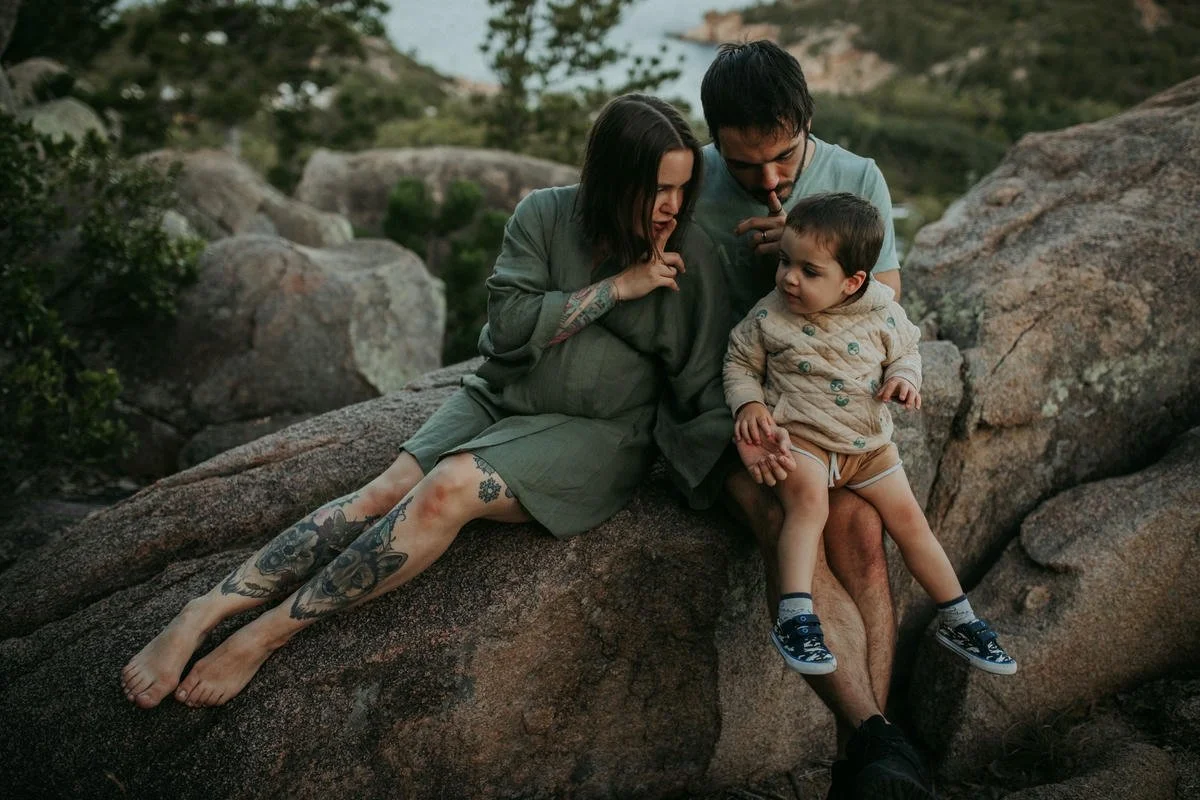
The conversations, reactions, and ambient sounds often become some of the most meaningful elements preserved within a keepsake birth film.
Why Sound Changes Everything
If there is one element that consistently transforms a birth film, it is sound.
Natural audio allows families to revisit experiences in ways photographs cannot always provide. A partner's encouragement. A conversation that has long since faded from memory. The voice of a midwife. The first cries of a newborn.
Sound creates presence.
It invites viewers into the atmosphere of a story rather than simply showing them what occurred.
Many filmmakers discover that audio becomes one of the most powerful storytelling tools available to them. When used intentionally, it adds layers of meaning, context, and emotional depth that visuals alone cannot achieve.
We explore this idea further in Capturing Sound in the Birth Space, where we look more closely at the role audio plays in documentary storytelling.
Documentary Storytelling as a Bespoke Keepsake
The idea of luxury has evolved considerably over the past decade. Increasingly, people place value on experiences, meaning, craftsmanship, and personal connection rather than accumulation alone.
Documentary birth films reflect this shift because they are not mass-produced products. They are bespoke records of a family's story, shaped around people, relationships, and moments that can never be recreated.
Like any meaningful craft, documentary storytelling requires time, attention, curiosity, and thoughtful decision-making. The films that continue to resonate years later are rarely created through shortcuts. They emerge through observation, intentional choices, and a commitment to creating something uniquely reflective of the people at the centre of the story.
This is one of the reasons documentary birth films have increasingly become recognised as a luxury keepsake experience. Not because they are exclusive, but because they are deeply personal and impossible to replicate.
Many of the creative decisions that contribute to this experience are explored further in What Makes a Soulful Birth Film?, where we look at the storytelling choices that help transform beautiful footage into meaningful keepsakes.
Craftsmanship and Authenticity
At Soulful Storytellers, we often compare storytelling to creating a dining experience.
For us, soulful storytelling combines the passion and mastery of a gourmet chef with the warmth and authenticity of a cookout around a campfire with friends.
We value craftsmanship, preparation, technical skill, and intentionality. We also value spontaneity, personality, and the imperfections that make experiences memorable.
The most meaningful documentary films often sit somewhere between these two worlds. They are thoughtfully crafted without becoming overly polished and authentic without becoming careless.
That balance continues to shape much of our philosophy as filmmakers and educators.
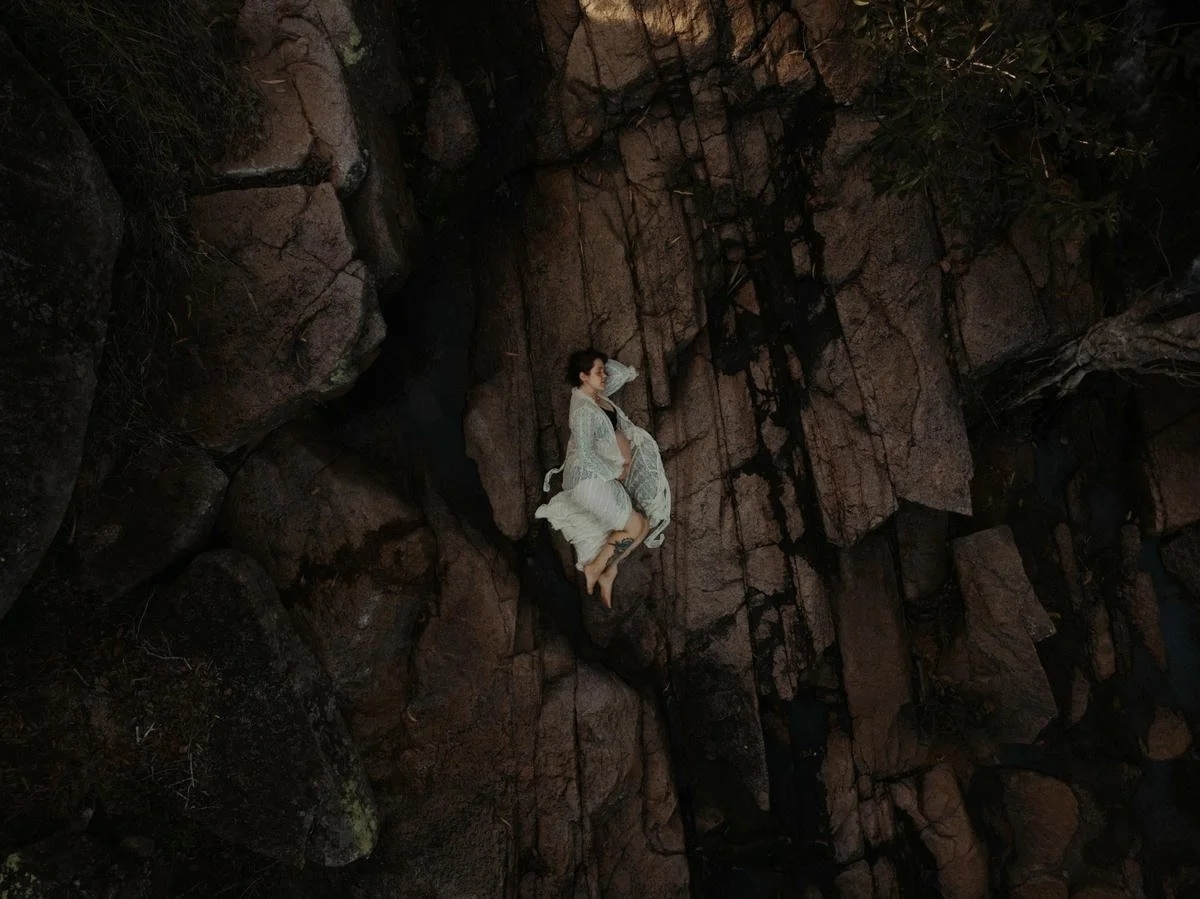
Soulful storytelling combines intentional craftsmanship with the authenticity of unscripted moments. Both have a place within meaningful documentary filmmaking.
Our Approach to Birth Films
One of the most exciting aspects of documentary storytelling is that there is no single way to approach a story. Different documentary formats invite filmmakers to make different creative decisions long before they ever begin editing.
Some films lean heavily toward observation, allowing events to unfold naturally with minimal intervention. Others adopt more poetic approaches, using imagery, symbolism, music, and visual metaphor to create a particular atmosphere.
Many filmmakers eventually discover that these approaches do not need to exist in isolation. Documentary storytelling can move between different modes and perspectives, creating contrast, rhythm, and depth throughout a film.
At Lauren + Douglas, we often find ourselves blending observational and poetic approaches. The authenticity of real-life moments sits alongside more intentional visual storytelling, creating films that feel both grounded and expressive.
Over time, these creative decisions begin shaping a filmmaker's voice and influencing how audiences experience the story itself.
This philosophy ultimately became one of the foundations of Soulful Storytellers and the apprenticeship pathways we now offer photographers and filmmakers around the world. Not because everyone should create films exactly as we do, but because thoughtful storytelling is a craft worth developing.
Continue the Conversation
If this article resonated with you, these companion pieces explore some of the ideas discussed here in greater depth.
How to Become a Birth Videographer → A practical introduction to documentary birth filmmaking, including the skills, mindset, and storytelling foundations that support the journey into film.
What Makes a Soulful Birth Film? → A closer look at the storytelling choices that help transform beautiful footage into meaningful keepsakes.
From Still to Soul-Stirring → Exploring the creative transition that occurs when photographers begin telling stories through movement, sound, and time.

Whether documentary birth filmmaking becomes a creative curiosity, a new service offering, or a lifelong craft, the opportunity remains the same: to preserve stories with greater depth, intention, and craftsmanship.
That possibility continues to inspire the work we create, the filmmakers we mentor, and the conversations we have inside Soulful Storytellers.
Written by Dania Lauren and Andrew Douglas, co-founders of Soulful Storytellers. Through their filmmaking work at Lauren + Douglas and years spent mentoring storytellers around the world, they are passionate about helping photographers and filmmakers discover their creative voice and create documentary films that honour real stories with authenticity, craftsmanship, and human connection.
