
BIRTH VIDEOGRAPHY
the art of documentary birth films
introduction
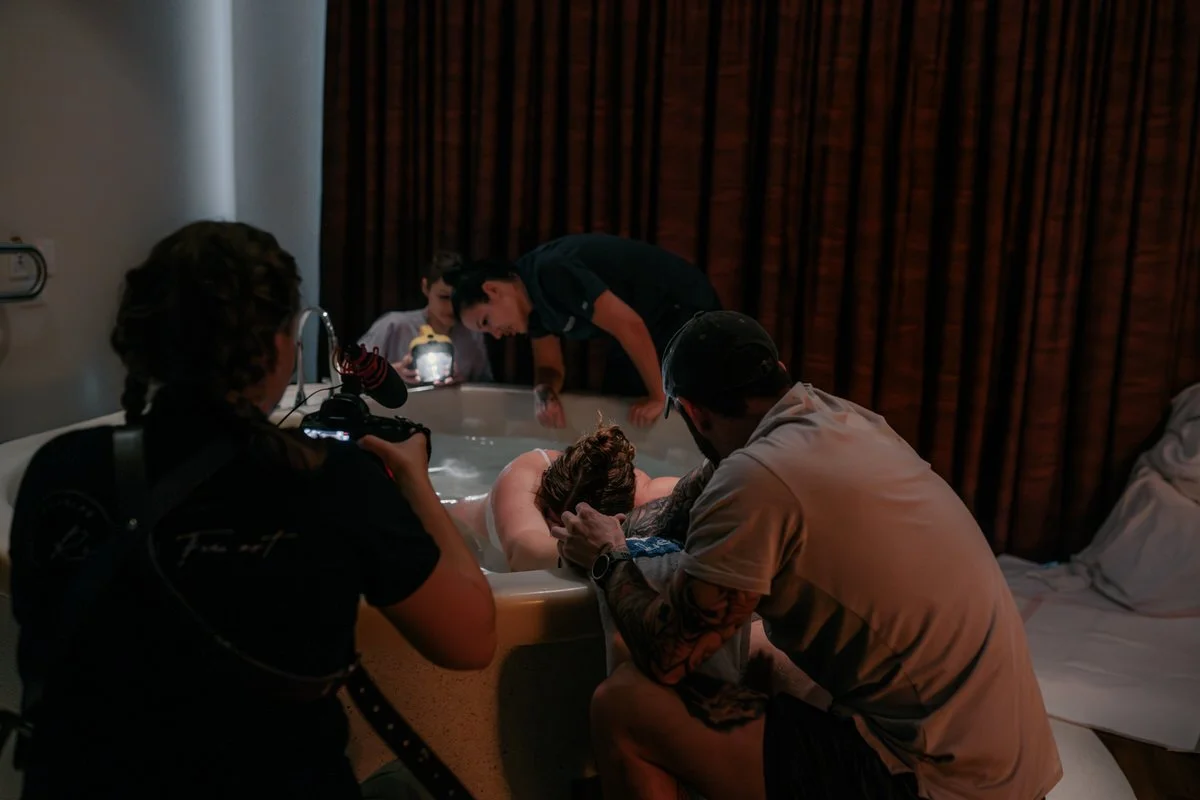
Birth videography is often described as capturing a birth.
But the work reaches far beyond recording what happens in the room.
At its core, it is a form of documentary storytelling. A way of witnessing and preserving one of the most significant transitions in a family’s life, not just as it looked, but as it felt.
For photographers stepping into film, there is a sense of familiarity. The instinct to observe, to notice light, to anticipate moments. Yet filmmaking asks something different. Time unfolds continuously. Sound carries weight. There is no opportunity to pause or return to a moment once it has passed.
Over time, many filmmakers come to realise that this work is less about capturing everything, and more about understanding what truly matters within the moment.
This guide explores what birth videography involves in practice, along with the deeper approach that allows filmmakers to create work that feels honest, respectful, and enduring.
table of contents
What Birth Videography Is
Why Documentary Birth Films Matter
Birth Videography and Birth Photography
Essential Skills for Birth Filmmakers
Gear for Birth Videography
Filming in Low-Light Birth Environments
Editing Documentary Birth Films
Ethics of Filming Birth
Transitioning from Photography to Film
Learning and Mentorship for Birth Videographers
what birth videography is
Birth videography is often misunderstood as simple coverage. A camera in the room, documenting events as they unfold.
Birth films can and often do taken this form, but they have the potential to be something much more intentional that truely connect with the viewer at a heart level.
Documentary birth filmmaking is not about directing or shaping the moment. It is about observing it with care. Allowing space for the story to unfold naturally, while remaining aware of the emotional rhythm as it unfolds.
As Dania often say in her teaching “birth films can be so much more than cinematic visuals put to a pretty piece of music.” They have the potential communicate tone, sound, movement, and presence. The way a voice softens. The shift in energy as a baby arrives. The stillness between contractions. These are not moments that can be recreated. They are lived once, and easily forgotten.
This is where filmmaking in the hands of a skilful storyteller becomes a powerful tool to document life’s most precious moments.
For those wanting to explore this approach more deeply, the principles of observational storytelling are something we return to often within our journal and learning pathways, particularly in how we approach real, unfolding stories with care.
why documentary birth films matter
Birth is one of the few experiences in life that feels both deeply personal and difficult to fully hold onto.
Time becomes distorted. Details blur. What remains is often a feeling rather than a clear sequence of events.
A documentary birth film offers a way back into that space.
Not as a highlight reel or music video, but as a deeply personal reflection of what was truly there. The environment. The emotion. The small, quiet interactions and seemingling insignificant details that are otherwise be lost.
For families, these films often become something they return to over time. Not just to remember what happened, but to reconnect with how it felt to be there.
For filmmakers, the responsibility is significant. The work is not simply about creating something beautiful. It is about preserving something meaningful, with honesty and respect.
This perspective sits at the heart of documentary-led storytelling and continues through the way we teach and mentor within Soulful Storytellers. The focus is always on creating work that endures, rather than work that simply performs in the moment.
birth videography and birth photography
Birth photography and birth videography share a common foundation. Both require awareness, sensitivity, and an ability to work within an unpredictable and often intimate environment.
Where they differ is in how the story is held.
Photography isolates a moment. It allows a single frame to carry weight and meaning. A look, a touch, a shift in expression.
Film, on the other hand, follows the movement between those moments.
It captures the breath before a contraction, the sound within the room, the subtle changes that unfold over time. It allows the story to be experienced as a sequence rather than a frozen moment in time.
Neither is more important than the other. They simply offer different ways of remembering.
For photographers stepping into film, this is often the most noticeable shift. Learning to stay with a moment a little longer. Learning to listen as much as observe. Understanding how sound and movement contribute to the emotional depth of the story.
This transition is something many of our students navigate as they move through the Foundations pathway, where the focus shifts from capturing individual frames to understanding how moments connect and build into something more complete.

essential skills for birth filmmakers
Working within birth spaces asks for more than technical ability.
It requires a way of seeing and responding that cannot be rushed or overly structured. The environment is unpredictable, often quiet, sometimes intense, and always deeply human.
One of the most important skills a birth filmmaker develops is observation. Not simply watching what is happening, but noticing what is about to happen. A shift in energy. A change in tone. The small interactions that signal something meaningful is unfolding.
This awareness allows the filmmaker to anticipate rather than react.
Equally important is restraint. Knowing when to remain still, when to move, and when not to film at all. The presence of a camera should never alter the experience taking place.
Technical confidence supports this. The ability to work in low light, to adjust settings without drawing attention, and to capture usable audio without disrupting the space. These skills create a sense of calm for the filmmaker, which in turn protects the environment they are working within.
This balance between awareness and technical ease is something we continue to develop within the learning pathways, where filmmakers begin to trust both their instincts and their approach.
gear for birth videography
Equipment often becomes the focus when filmmakers begin.
What camera to use. Which lens is best. How to prepare for different lighting conditions.
While these choices do matter, they are not the foundation of the work.
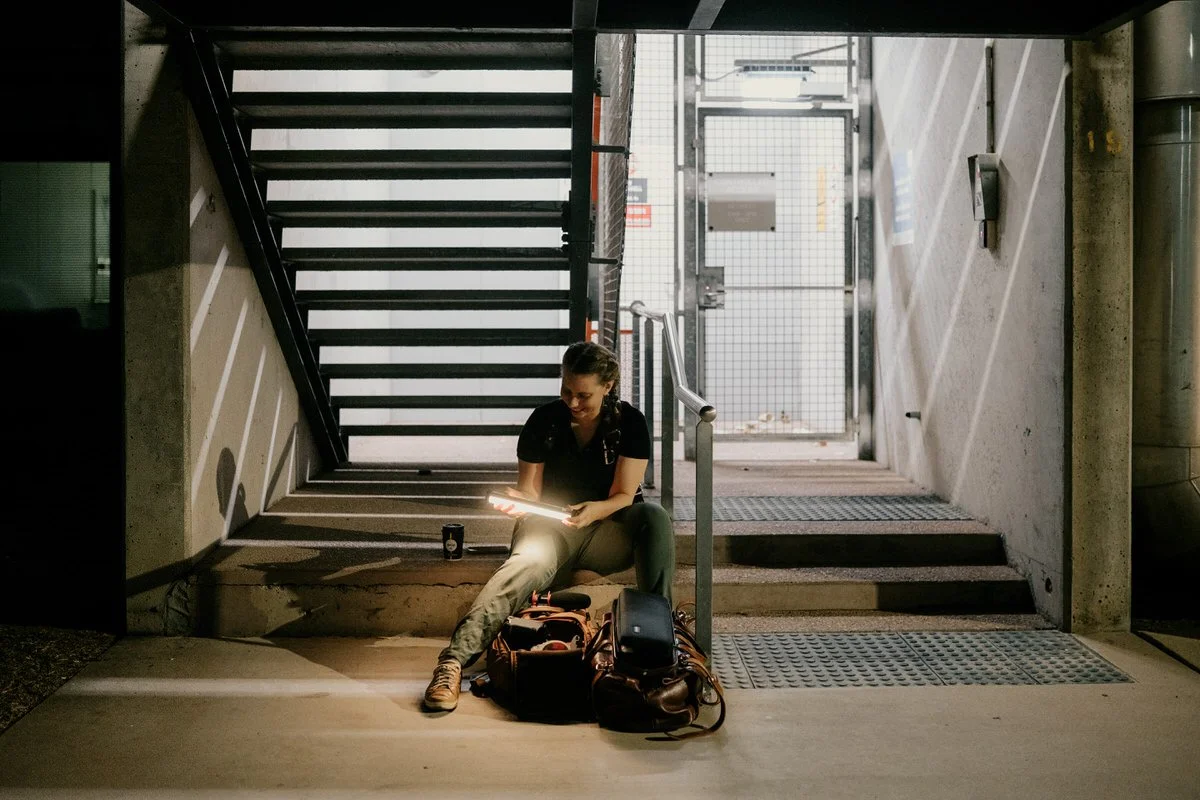
Birth environments are rarely controlled. Light changes. Space is limited. Movement is constant. The role of your equipment is to support you in responding to those conditions without distraction.
Cameras with strong low-light performance allow you to work with available light rather than introducing artificial sources. Lenses that handle a range of focal lengths reduce the need to change equipment in the moment. Reliable audio solutions ensure that the subtle sounds within the space are not lost.
The goal is not to carry more. It is to carry what allows you to remain present.
For a more detailed breakdown of how different setups support filming in real birth environments, you can explore our journal where we share practical insights drawn from lived experience rather than ideal scenarios.
filming in low-light birth environments
Low light is one of the most common concerns for filmmakers entering this work.
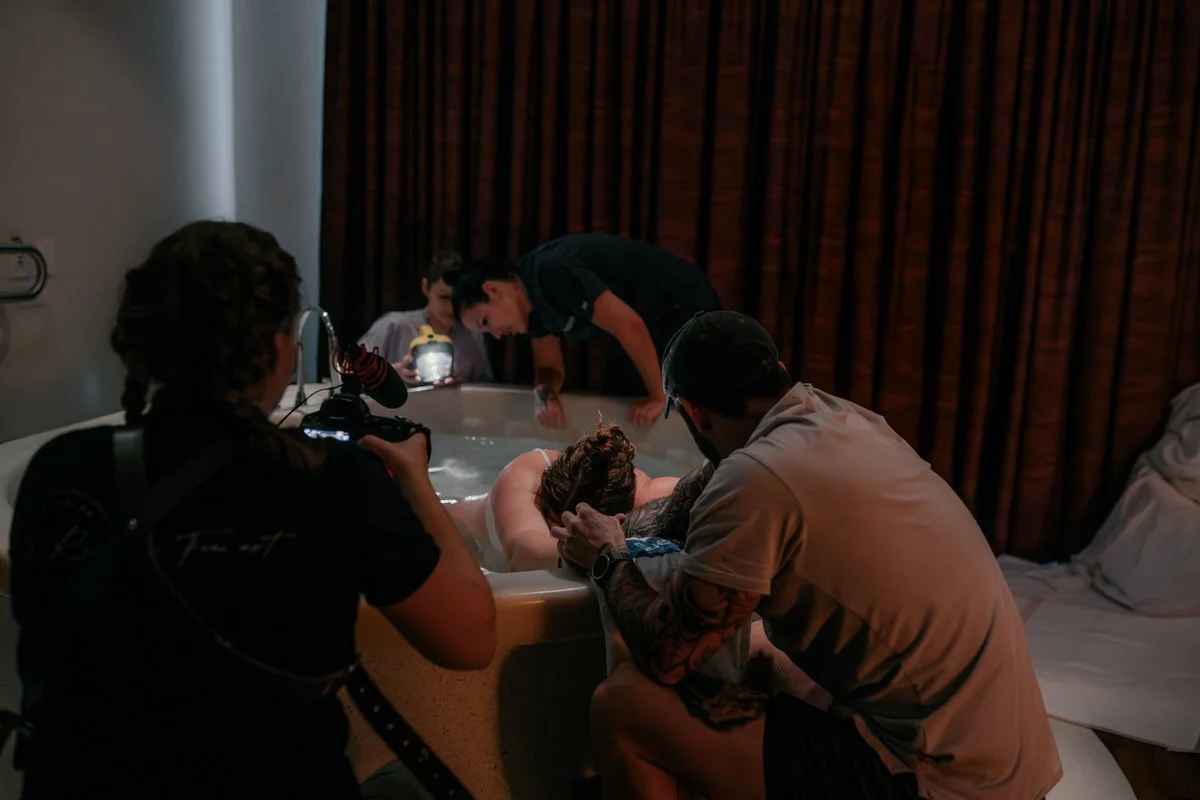
Births often take place in dimly lit rooms, particularly in the later stages. Light is softened intentionally to create a sense of calm, and it is important that the filmmaker respects that environment.
Rather than trying to change the light, the approach is to work with it.
This means understanding how your camera responds in low-light conditions and becoming comfortable adjusting settings quickly and quietly. It also means paying closer attention to where light is naturally falling within the space. A nearby lamp, a window, or even reflected light can shape a scene more than expected.
Movement also becomes more considered. Slower, more deliberate positioning allows you to maintain exposure and focus without drawing attention.
Over time, filmmakers begin to trust that low light is not a limitation. It becomes part of the atmosphere of the film itself.
This is something we explore in greater depth within our filmmaking resources, particularly for those building confidence in real-world conditions rather than controlled environments.
editing documentary birth films
The editing process is where the story begins to take shape.
Unlike more structured forms of filmmaking, documentary birth films are not built around a fixed script or sequence. The story already exists within the footage. The role of the editor is to recognise it, and to bring it forward with care.
This often begins with watching the footage slowly, without the pressure to assemble anything immediately. Noticing where emotion sits. Where tension builds. Where stillness holds meaning.
Pacing becomes an important part of this process. Allowing moments to breathe rather than moving quickly between them. Trusting that what is felt in real time can also be felt in the final film.
Sound carries equal weight. The subtle layers of audio within a birth space often hold as much emotional depth as the visuals. A voice, a breath, the quiet between words. These elements shape how the story is experienced.
Music, when used, supports rather than leads.
For many filmmakers, this stage is where their voice begins to emerge more clearly. It is also where guidance and feedback can be valuable, particularly when learning how to shape real stories without overworking them. This is something we continue to support within Soulful Studio, where editing and storytelling are explored through conversation and critique rather than rigid rules.

ethics of filming birth
Filming within birth spaces carries a level of responsibility that extends beyond technical skill.
At the centre of this work is trust.
Families invite filmmakers into one of the most intimate experiences of their lives. That invitation is ongoing, not something that exists only at the point of booking. It requires awareness throughout the entire process.
Consent is not static. It may shift during the birth. Moments that feel appropriate to film at one stage may not feel appropriate later. The ability to read the space, to recognise when to step back, and to prioritise the experience of the family over the footage is essential.
There are also moments that do not need to be captured to be respected. Knowing when not to film is part of the work.
This approach shapes not only the experience within the room, but also the integrity of the final film.
Ethics are not an additional consideration. They are embedded within documentary storytelling itself.
transitioning from photography to film
For many filmmakers, birth videography begins as an extension of photography.
The ability to observe, to work within natural light, and to anticipate moments already exists. These skills transfer more naturally than many expect.
What shifts is the relationship with time.
In photography, a single frame carries the weight of the moment. In film, meaning builds across movement, sound, and sequence. Moments are not captured in isolation, but in how they connect to what comes before and after.
This can feel unfamiliar at first. There is often a period of adjustment where filming feels less controlled, less defined.
With time, this begins to settle.
Filmmakers start to trust the unfolding nature of the work. To stay within moments a little longer. To listen as much as they observe. To recognise that not everything needs to be captured immediately.
This transition is where many photographers begin to find a new depth within their storytelling. It is also where structured support can make a significant difference, particularly when learning how to approach filming, editing, and narrative as a connected process.
learning and mentorship for birth videographers
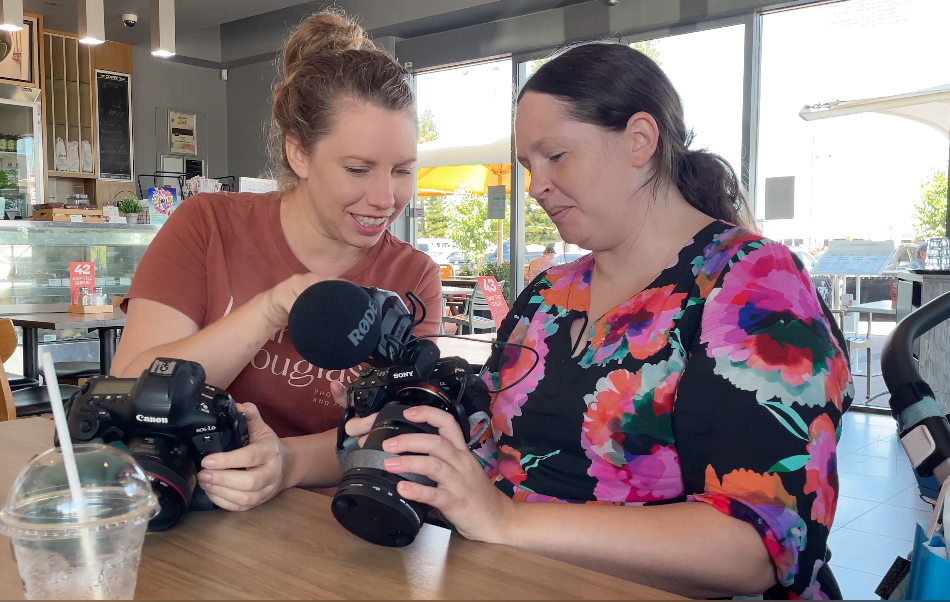
While some filmmakers develop their approach independently, many find value in learning within a structured environment.
Not because there is one way to create a birth film, but because guidance can shorten the distance between uncertainty and clarity.
Learning pathways provide a way to build technical confidence alongside storytelling awareness. Mentorship offers space to ask questions, refine decisions, and receive feedback on real work.
Equally important is community.
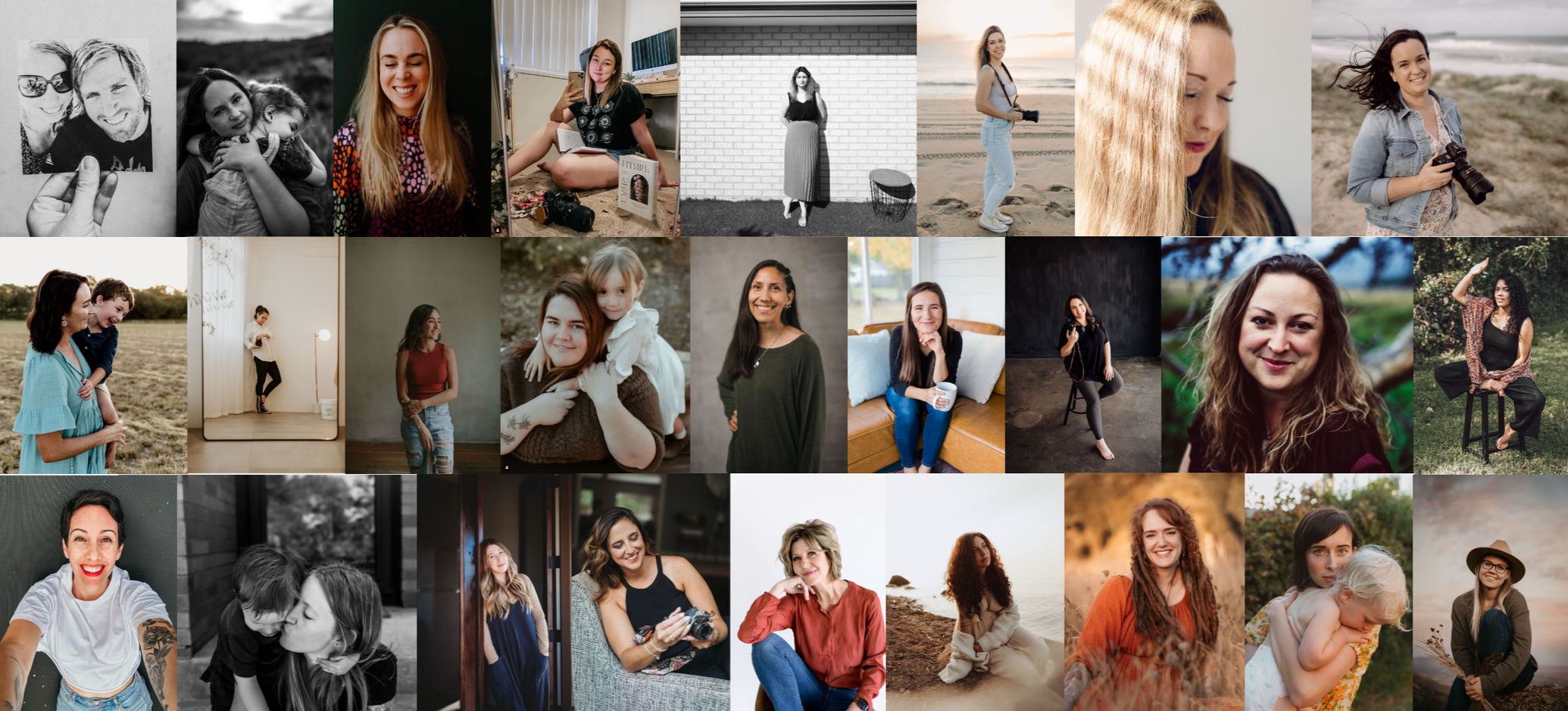
Being surrounded by others working within similar environments allows filmmakers to share experiences, navigate challenges, and continue developing their voice over time.
Within Soulful Storytellers, this support is offered through a combination of guided pathways and ongoing mentorship inside Soulful Studio. The intention is not to prescribe a style, but to support filmmakers as they develop their own.
next steps in the journey
Birth videography is not defined by equipment, trends, or style.
It is shaped by presence, awareness, and the ability to hold space for real moments as they unfold.
For those drawn to this work, it often becomes more than a skill set. It becomes a way of seeing and documenting the world with greater sensitivity and intention.
If you are exploring this path and feel ready to deepen your approach to storytelling, you can explore the Soulful Storytellers pathways designed to support photographers transitioning into documentary filmmaking.